What does Tui na mean?
Tui na, also written tuina, is a Chinese hands-on tradition associated with traditional Chinese medicine. Its name is commonly explained through the actions of pushing and grasping. The U.S. National Center for Complementary and Integrative Health includes Tuina among massage traditions derived from Eastern cultures.
Those words offer a useful introduction, not a complete description of an appointment. Practitioners and settings can differ in the methods used, their training and the purpose of a session. A visitor should ask what a named treatment actually involves rather than relying on the word Asian as a promise of a specific technique.
A tradition, not a synonym for firm pressure
Descriptions of Tui na commonly mention pushing, kneading, pressing and rolling movements. A session may involve different rhythms and pressure, but its identity is not simply that it is strong. The name points to a particular cultural and practice context; an ordinary firm-pressure spa massage does not automatically become Tui na.
Traditional explanations may refer to qi, meridians or balance. These are part of the tradition's conceptual language, not proof that a massage corrects an energy imbalance or treats an illness. This guide describes that background without presenting traditional explanations as established physiological effects.
How is it different from Thai and deep-tissue massage?
Thai massage has its own Thai tradition and can involve pressure, movement and assisted stretching, depending on the format. Thai oil massage is a separately named oil-based spa option. Neither label is interchangeable with Tui na. Asking about clothing, oil use, stretching and pressure is more useful than assuming all Asian-inspired appointments follow one routine.
Deep tissue usually describes a focused-pressure approach, not a nationality or a single traditional system. At The Moment, the published deep-tissue guide emphasizes adjustable pressure, personal comfort and evidence limits. Similar-looking hand movements in photographs do not establish that two sessions belong to the same technique.
Keep curiosity separate from health promises
An interesting history does not establish a guaranteed benefit. NCCIH discusses research on massage in general, and notes that the evidence for some uses is weak or insufficient to identify a more effective style. Findings about one population, comparison or massage approach should not be transferred automatically to Tui na or to a specific appointment in Athens.
Wikipedia is useful for orientation and terminology, but its Tui na article includes warnings about the quality of medical references. It is not the basis for promising pain relief, recovery from injury or treatment of a health condition. There is no claim here that Tui na, Thai oil or deep tissue is the best choice for every person.

Questions worth asking before a session
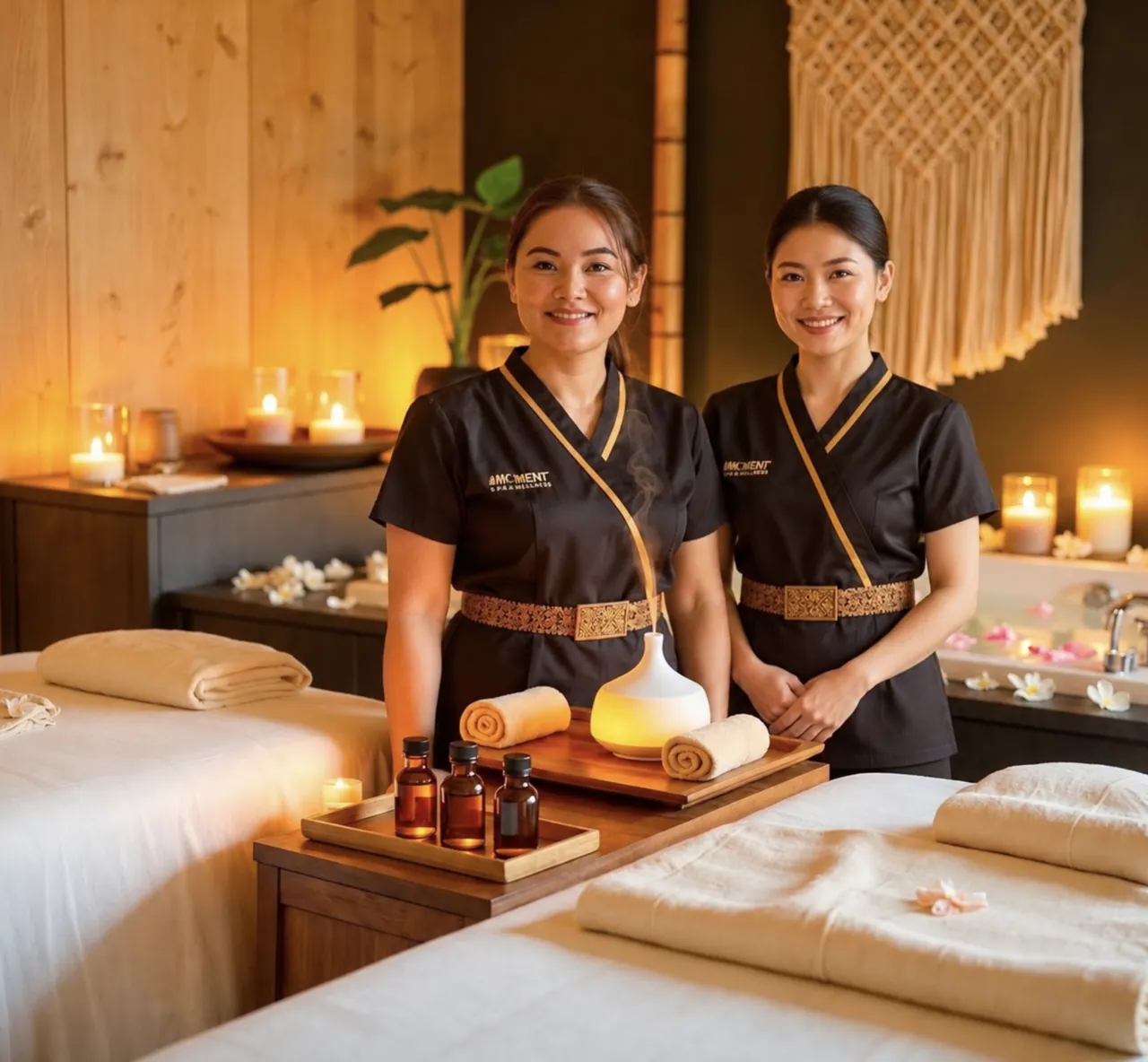
Ask the provider which named method is being offered, who will perform it and what relevant training they have. Clarify whether the session is clothed or uses oil, whether movement or stretching is included, how pressure will be adjusted, the duration and the final price. This article does not verify a Tui na qualification for any staff member pictured.
You should be able to ask for lighter pressure, a change of focus or a stop. Do not treat sharp discomfort, numbness or an unpleasant sensation as something to endure for a better result. If you have a health concern, a recent injury or surgery, or uncertainty about firmer massage, seek individual advice from a healthcare professional before arranging a session.
Reading the photographs honestly
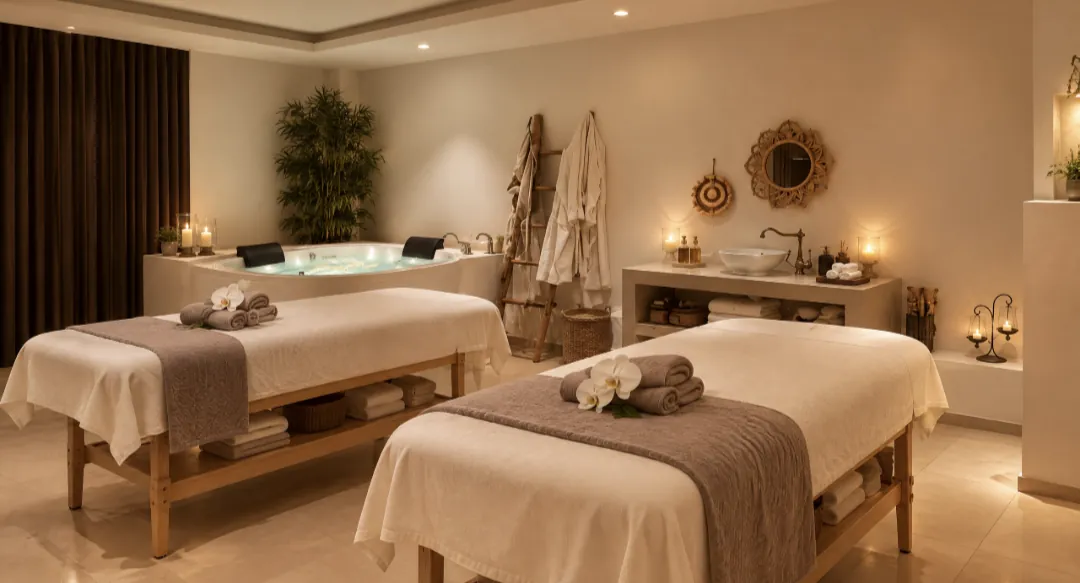
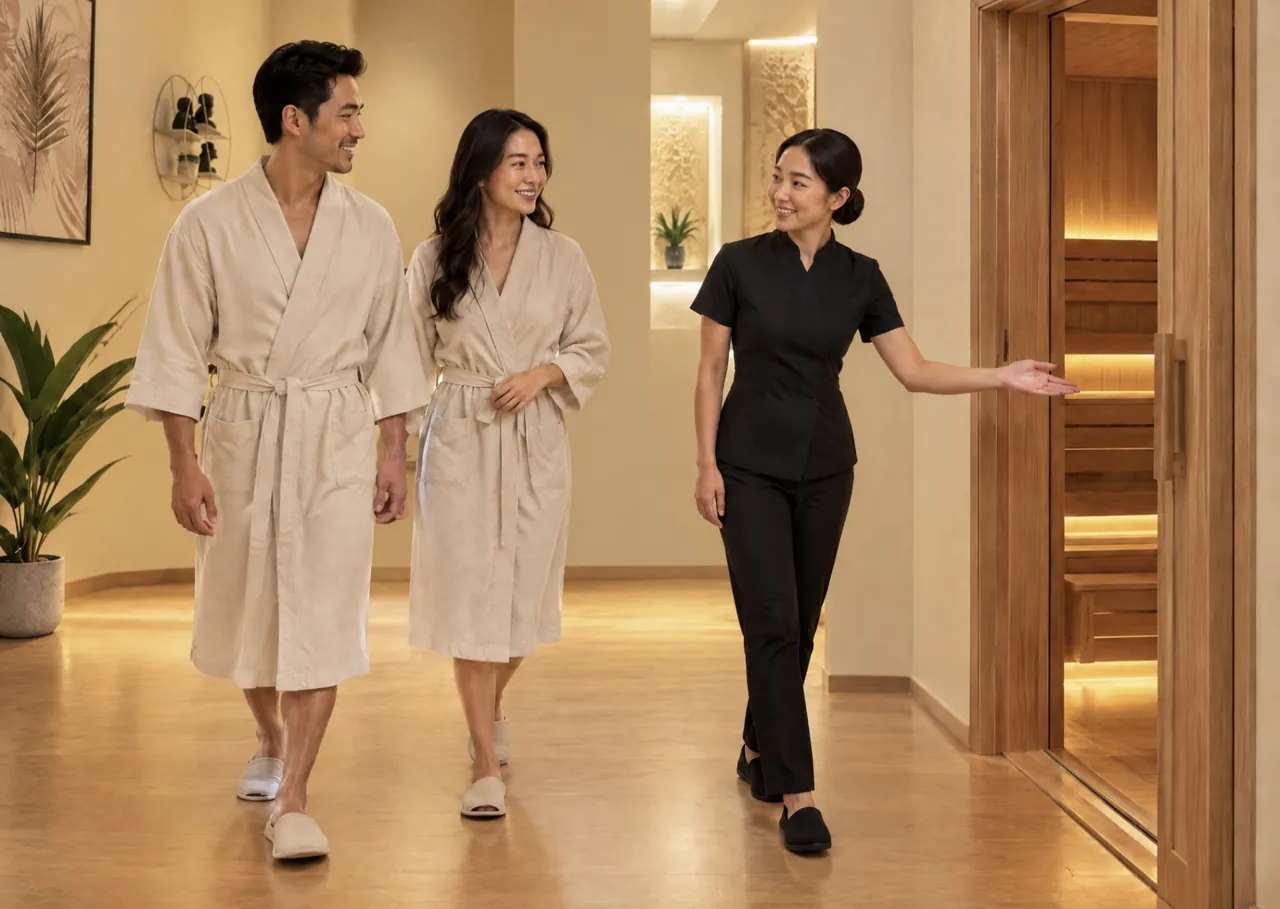
The four supplied images accompany this article as spa-setting illustrations. They show rooms, a welcome and a shared treatment setting; they do not establish that Tui na is being performed. A photograph cannot verify a person's training, a service name or the inclusions of a booking.
A room with two prepared tables does not mean that every appointment is for couples. A visible bath or sauna does not make those facilities part of a massage-only visit. If you are choosing a real appointment, rely on its current description rather than treating an editorial picture as an offer.
Choosing a real massage visit at The Moment
This is an educational article, not a Tui na service announcement. Tui na is not currently listed as a confirmed treatment in The Moment's published catalogue. For an actual visit, compare the named Thai, Thai oil, deep-tissue and couples options on the existing service pages and check the live booking description before confirming.
The Moment is one massage and spa boutique at Falirou 47 & Diliados 4, Koukaki, Athens 11742, with physical hours of 11:00–22:00 daily. Individual appointments and selected couples formats allow discussion of preferences; sauna or private bathtub time belongs only to a named package that expressly includes it. Your chosen service, time and current checkout terms—not this cultural guide—define the visit.
Check the sources
These sources support the specific facts discussed above; a booking profile is not independent research or a guarantee of treatment outcomes.